The Challenge:
➤ Gain access to the highest volume EVAR center in Germany to watch multiple complex EVAR cases live
+
➤ Hold de-brief sessions with the Vascular Surgeon to discuss the procedural workflow pain points
Our Solution:
➤ We leveraged our long-standing and close relationships with heads of department to arrange a site visit for our client
+
➤ Dealt with all regulatory and compliance matters to ensure our visit did not breach hospital protocol
The Challenge:
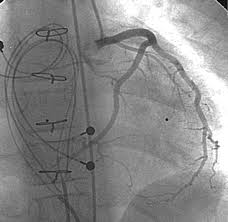
➤ Achieve a total sample of 150 interviews with delegates who perform a minimum procedure volume of PCI
+
➤ Gather feedback from physicians attending our clients satellite symposium
Our Solution:
➤ With an experienced team of conference interviewers we studied the conference programme to locate the optimal locations to find qualifying physicians
+
➤ Relocated our team to the symposium exit to canvas physicians leaving
The Challenge:
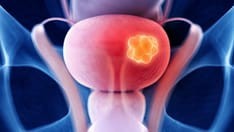
➤ Locate European Urologists who placer radiation spacers for prostate cancer (mainly the role of Radiation Oncologist)
+
➤ Respondent targets also had to be attending EAU conference to attend our in-depth prototype evaluation
Our Solution:
➤ AI tools helped us locate centers where Urologists are known placer of radiations spacers – the list was then cross referenced against the speakers list to create a targetted list of physicians
+
➤ The rest relied on our human touch to engage physicans and secure meetings during the conference
The Challenge:
➤ From a small but targetted sample of Vascular Surgeons in USA + Europe, uncover the impact that a new stent design will have on product cannibalization vs market expansion
Our Solution:
To get the most out of small samples we employ our key principles of:
a) Direct respondent relationships (no outsourcing to fieldwork agencies)
b) One moderator to oversee the entire study from brief to report
The Challenge:
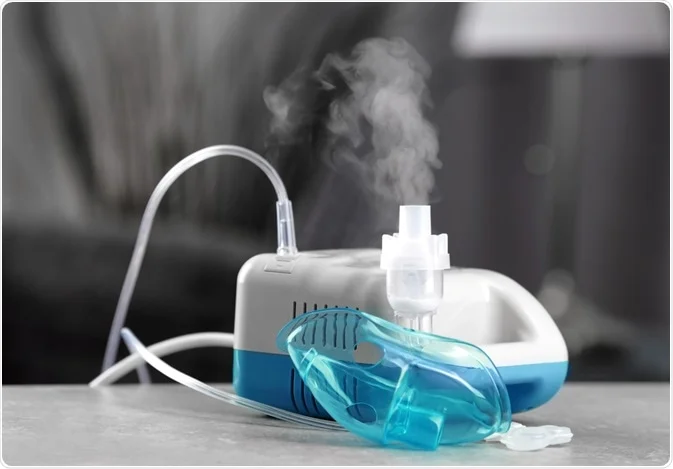
➤ Maintain methodological rigour in a study encompassing 108 qualitative interviews across 7 markets for a nebulization device
+
➤ Identify patterns in the data across stakeholders (nurses/physicians), work setting (ED vs Wards) and device usage
Our Solution:
➤ We deployed AI-assisted thematic coding to develop a structured codeframe, eliminating coder drift at scale
+
➤ Quantifying theme prevalence across stakeholder, setting and device usage gave statistical weight to our qualitative deep dive
The Challenge:
➤ Our client needed to gather post-market clinical follow-up data for the 10F and 12F interactions of their atherectomy product.
+
➤ Since primary use of this product is with 6F and 8F, this posed a recruitment challenge to identify and then engage users of this niche product.
Our Solution:
➤ We leveraged our close network of Vascular Surgeons and Interventional Radiologists to provide referrals for known users of the niche 10F and 12F sizes
+
➤ 100 x Level 4 surveys completed — delivering the real-world clinical data our client needed to meet their MDR requirement.
The Challenge:
➤ Our client faced a Notified Body deadline for PMCF data on their surgical stapler, but traditional online recruitment was progressing too slowly — the target users, colorectal surgeons with recent device experience, were proving unresponsive to standard survey invitations, and the study risked missing its submission window.
Our Solution:
➤ We took the fieldwork to the surgeons. Attending a major European colorectal surgery congress, our team screened and recruited eligible device users face-to-face on the exhibition floor, verifying usage experience on the spot.
+
➤ Surgeons then completed detailed case-record surveys via a follow-up online link. The hybrid approach compressed months of recruitment into a single conference
The Challenge:
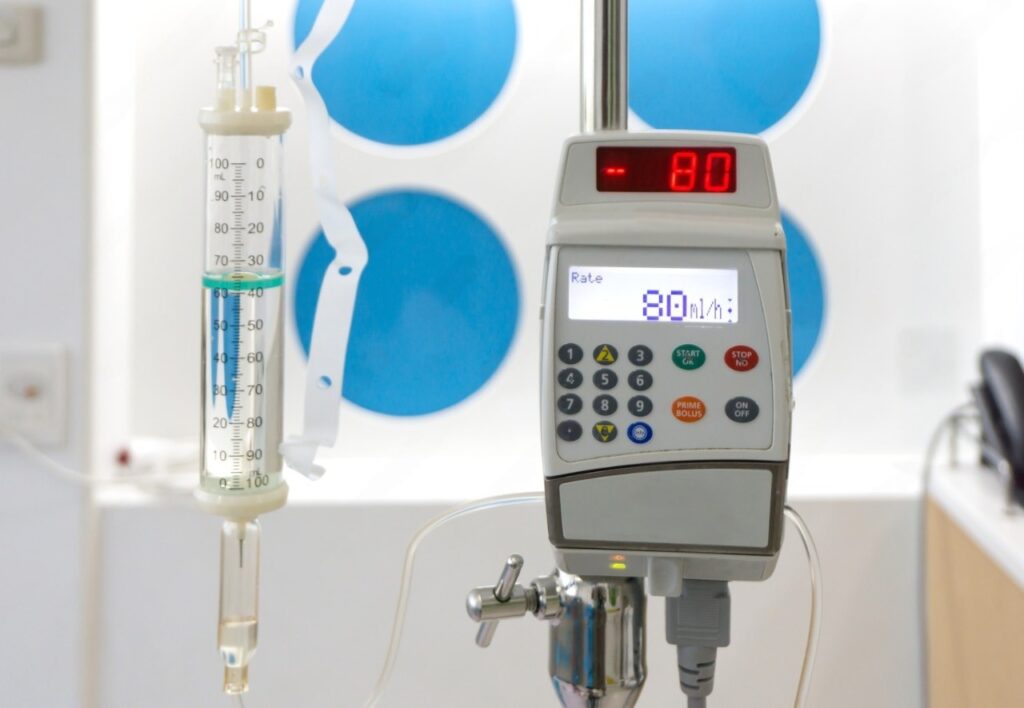
➤ Our client’s volumetric infusion pump is operated day-to-day by nurses rather than the physicians who typically feature in PMCF programmes — and each pump is used across hundreds of patients and multiple clinical settings, from ICU to home care. Capturing meaningful safety and performance data meant reaching the true end users and reflecting genuine real-world variation in use
Our Solution:
➤ We recruited infusion nurses and clinical pharmacists across hospital and home-care settings, using a Level 4 case-record approach
+
➤ The final dataset spanned multiple care environments and infusion therapies, giving our client robust real-world evidence of safety and performance across the device’s full intended use — and surfacing usability insights their design team fed into the next product iteration
Our success is built on 4 central pillars that govern all of our qual/quant methdologies
We have stripped away the inefficiencies present at larger research agencies

We tailor a research methodology to you, using our in-depth knowledge of the industry and your product. By focusing on several key MedTech sectors we remain highly specialised.

Our strength lies in adapting our approach to your needs. Our non-bureaucratic structure gives us flexibility and our extensive databases of global HCPs gives us the edge on agencies that rely on generic fieldwork agencies.

Snr researcher at MedTech Expert understand the clinical, commercial, and regulatory context behind every data point. This expertise ensures analysis is grounded in real-world practice, enabling us to interpret the nuances effectively

Expertise iin MedTech within a framework on behavioural science techniques helps us delivers clear and confident insights to you to support your critical business decisions.
All AI use is subject to human oversight and complies with GDPR and applicable industry guidance, including MRS and BHBIA principles for ethical AI use in market research.
Medex Expert uses AI-enabled technologies selectively to enhance efficiency and analytical support. We do not use AI as a substitute for professional judgement